
How to Buy Colored Gemstones with Confidence
Colored gemstones are graded and valued differently from diamonds, and shoppers who apply diamond logic to them often buy badly. There is no universal 4Cs report for a sapphire or a garnet; there is color, and everything else serves it.
The colored stone world also runs on treatments and trade names that are perfectly honest when disclosed and predatory when hidden. This guide gives you the working rules.
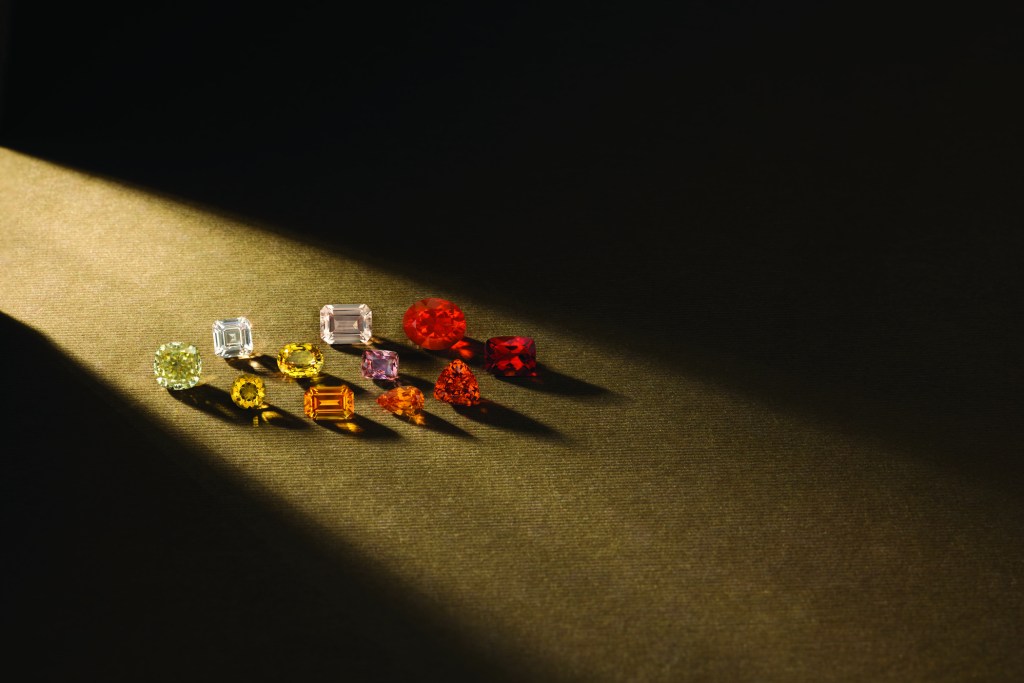
Color is 70 percent of the value
Gem dealers describe color in three parts: hue (the basic color), tone (light to dark), and saturation (dull to vivid). Value concentrates in stones with pure hue, medium tone, and strong saturation. A stone can lose half its value by being noticeably too dark, too pale, or too gray.
Judge color in more than one light. Daylight, warm indoor light, and store spotlights each tell a different story, and some stones, like alexandrite intentionally and many garnets accidentally, shift between them.
Clarity expectations vary by stone
The trade groups gems by how clean they normally form. Aquamarine, topaz, and citrine are expected to be eye-clean; visible inclusions in them are defects. Emerald, on the other hand, almost always carries visible inclusions, and its prices already assume it. Sapphire and ruby sit in between.
The practical rule: compare a stone's clarity against what is normal for its species, not against a diamond.
Treatments: the honesty test
Most colored stones on the market are treated in some way, and most treatments are stable, accepted, and centuries old. Heating sapphire, ruby, aquamarine, and tanzanite is routine. Oiling emerald is standard. Irradiating blue topaz is universal.
The rules that matter: every treatment should be disclosed, every treatment should be priced in, and fragile treatments, like glass-filling in ruby or heavy oiling in emerald, should be clearly flagged because they change how the stone must be handled and repaired. A seller who cannot tell you a stone's treatment history has told you something anyway.
Where the value hides
- Lesser-known stones: spinel, tourmaline, tanzanite, and garnet varieties deliver top-tier beauty without top-four prices.
- Lab-created stones: real material, fine color, small price. Ideal for hard-wearing jewelry, as long as they are labeled.
- Sizes just under the round numbers, same as diamonds.
- Stones whose color performs indoors, where you actually live, not just under store lights.
Match the stone to the job
| Wear pattern | Choose from | Think twice about |
|---|---|---|
| Daily ring | Sapphire, ruby, spinel, hard garnets | Opal, pearl, moonstone, turquoise |
| Occasional ring | Almost anything with a good setting | Very soft stones in exposed settings |
| Pendants and earrings | Anything at all | Nothing; this is where delicate stones shine |
Common questions
Do colored stones come with grading reports?
Significant stones should have a lab report confirming identity, treatment, and sometimes origin, since origin can multiply value in ruby and sapphire. Small commercial stones usually do not, and that is normal.
Are gemstones a good investment?
Buy them to wear and love. A tiny top tier of rare stones appreciates; ordinary commercial goods do not, and anyone selling gems primarily as investments deserves your skepticism.