
A Practical Guide to Pearls
Pearls are the only major gem grown by a living creature, and the only one that comes out of its source ready to wear, no cutting or polishing required. That makes buying them a different exercise: no facets, no fire, just surface, shape, and glow.
Nearly every pearl sold today is cultured, farmed with human help and finished by the mollusk. Natural, wild-found pearls are auction-house rarities. Cultured is the category, and within it, the types differ enormously.
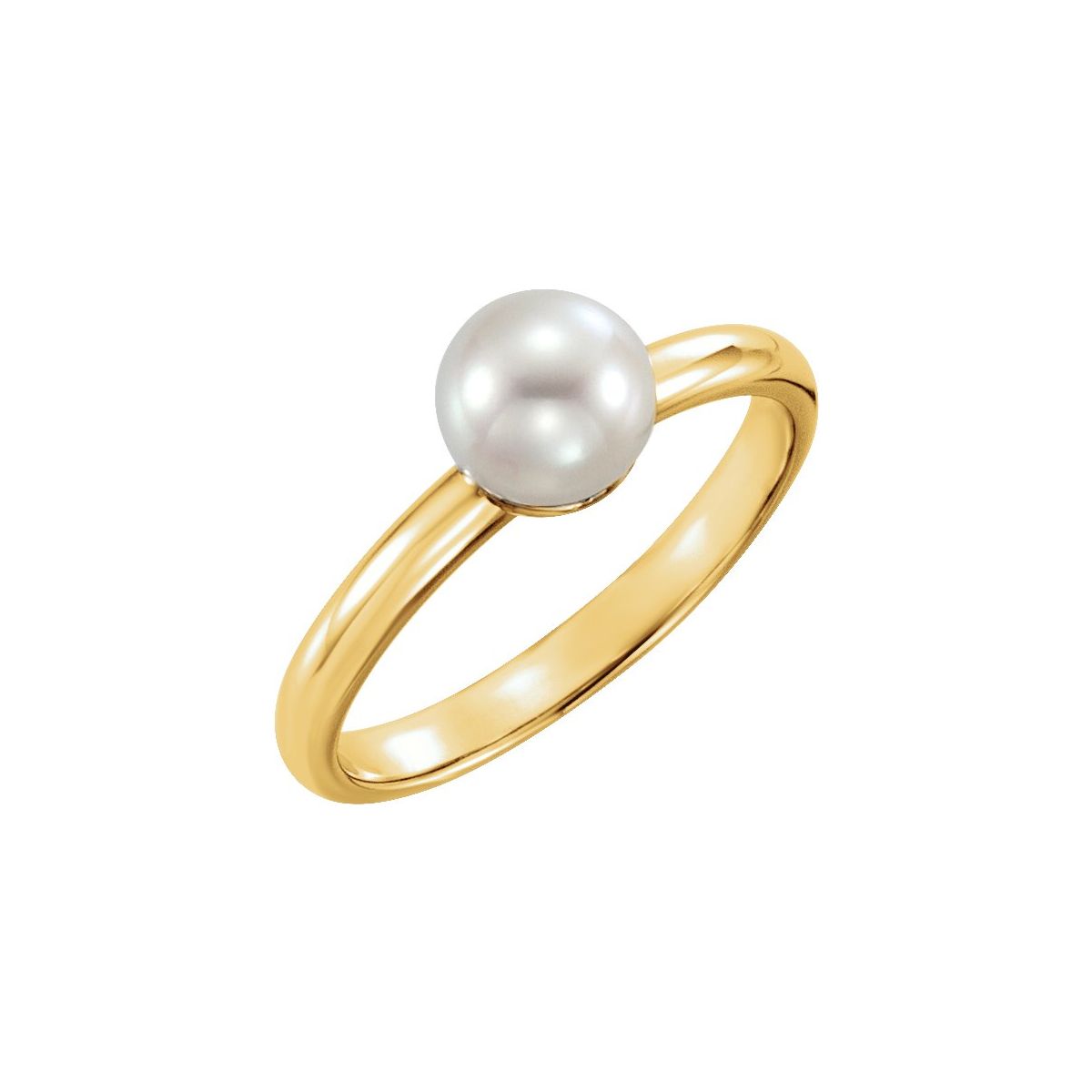
The four main types
| Type | Typical size | Colors | Character |
|---|---|---|---|
| Freshwater | 4 to 12 mm | White, cream, pink, lavender | Best value, huge variety |
| Akoya | 5 to 9 mm | White with rose or silver overtones | The classic round strand, sharpest luster |
| Tahitian | 8 to 15 mm | Gray to black with peacock overtones | Dramatic, naturally dark |
| South Sea | 9 to 18 mm | White, silver, golden | The largest and most expensive |
What drives pearl value
Luster leads everything: the sharpness of reflections on the pearl's surface. Hold a pearl near a light; if you can almost read the reflection, luster is high. Chalky, soft reflections mean thin nacre and a lesser pearl regardless of size.
After luster come surface cleanliness (fewer pits and blemishes), shape (rounder is pricier, though baroque shapes have their own charm and value), size (prices climb steeply with millimeters), color and overtone, and for strands, how well the pearls match.
Care: the last on, first off rule
Pearls are soft and their nacre is attacked by acids, alcohol, and cosmetics. The rule that preserves them: last on, first off. Dress, apply perfume and hairspray, then put on pearls; take them off before you undress, and wipe them with a soft cloth.
Store them apart from harder jewelry that can scratch them, ideally in a soft pouch, and never in an airtight bag long-term, since pearls like a little humidity. Strands worn regularly should be restrung every few years, knotted between pearls so a break loses nothing. We restring strands in the store.
Buying situations, solved
- A first serious strand: Akoya for the classic look, or fine freshwater for the same effect at a friendlier price.
- Everyday studs: 6 to 8 mm Akoya or freshwater with high luster; luster matters more than size at the ear.
- A statement piece: Tahitian or South Sea, where the size and color do the talking.
- A graduation or birthday gift with room to grow: add-a-pearl traditions and single-pearl pendants both age beautifully.
Common questions
How can I tell real pearls from imitation?
The tooth test: real pearls feel faintly gritty against a tooth edge, imitations feel glass-smooth. Real strands also show subtle variation from pearl to pearl. Bring any strand in and we will tell you what you have.
Are dyed pearls bad?
Dyeing is common in freshwater and some Akoya pearls, and fine when disclosed; black freshwater pearls, for example, are dyed, since only Tahitians grow dark naturally. The usual rule: honesty and a matching price.
My grandmother's pearls look dull. Can they be saved?
Often, yes. A gentle professional clean and fresh stringing revives more strands than people expect. If nacre has genuinely worn through, we will tell you straight and talk options.