
How to Buy a Diamond: The 4Cs Explained
Every diamond is graded on four qualities: cut, color, clarity, and carat weight. Jewelers call them the 4Cs, and together they explain why two stones the same size can be priced thousands of dollars apart.
The good news is that you do not need to master all four. You need to know which ones your eyes actually notice, and which ones only show up on the grading report. That is where smart buyers save money.
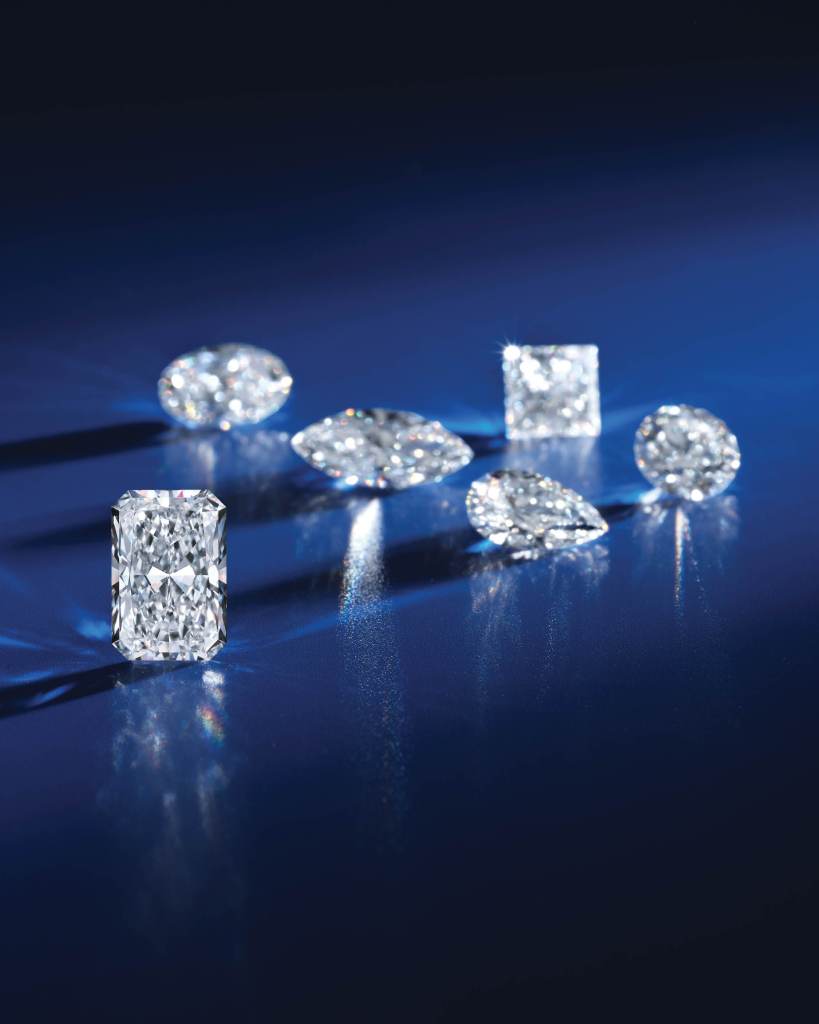
The 4Cs at a glance
| Factor | What it measures | How much your eyes notice |
|---|---|---|
| Cut | How well the facets are angled and proportioned | The most. Cut creates the sparkle. |
| Color | How close to colorless the stone is | Somewhat. Small steps are hard to see. |
| Clarity | Internal marks and surface blemishes | Barely, above a certain grade. |
| Carat | Weight, not size | Directly, but spread matters too. |
Spend on cut first
Cut is the only C that the diamond cutter controls, and it has the biggest effect on beauty. A well-cut diamond returns light to your eye as brightness and fire. A poorly cut one leaks light out the bottom and looks dull no matter how high its other grades are.
For round diamonds, stay in the Excellent or Very Good cut range. Fancy shapes like ovals and pears are not given a single cut grade, so it helps to look at the actual stone or a video of it before you commit.
Where the smart compromises live
Color grades run from D (colorless) down the alphabet. In white gold or platinum, most people cannot tell G or H from D once the stone is set, and the price difference is real. In yellow or rose gold, you can go warmer still.
Clarity grades describe marks you mostly need magnification to find. A stone graded VS1 or VS2 almost always looks clean to the naked eye. Many SI1 stones do too, which is why it pays to look at the specific stone rather than shop by grade alone.
Carat weight is priced in steps. A 0.90 carat stone can cost noticeably less than a 1.00 carat stone that looks nearly identical on the hand. Just under the popular sizes is a sweet spot.
A simple order of operations
- Set your budget first, then work backward.
- Lock in an Excellent or Very Good cut.
- Choose color for the metal it will sit in: G to H for white metals, I to K for yellow and rose gold.
- Choose the lowest clarity grade that looks clean to your eye, usually VS2 or an eye-clean SI1.
- Put whatever budget remains into carat weight, and consider sizes just under the round numbers.
Common questions
Is a bigger diamond always more impressive?
Not if it is cut poorly. A smaller, well-cut stone will out-sparkle a larger dull one every time. Cut quality is the difference people actually see across the room.
Do I need a grading report?
For a center stone of meaningful value, yes. An independent report from a respected lab confirms what you are paying for. We walk through the report with you before you buy.
Can I see stones in person before deciding?
Yes. We bring in stones on approval so you can compare them side by side under proper lighting before any money changes hands.