
Carat Weight: Size, Spread, and the Magic Numbers
A carat is a unit of weight, one fifth of a gram. It is the most straightforward of the 4Cs and also the most misunderstood, because weight and visual size are not the same thing.
Two one-carat diamonds can look noticeably different sizes on a hand, and a stone that weighs ten percent less can look nearly identical. Understanding why puts real money back in your pocket.
Weight versus spread
How big a diamond looks depends on its diameter across the top, what jewelers call spread. A well-proportioned round one-carat stone runs about 6.5 mm across. A deep-cut stone hides weight underneath where you cannot see it, so it faces up small for its weight and price.
This is another reason cut quality comes first. You are paying by weight, so you want that weight where it shows.
Shapes that look bigger
Elongated shapes carry their weight across a longer outline. Ovals, pears, marquises, and emeralds all face up larger than a round of the same weight. An oval typically shows around ten percent more face-up area than an equal-weight round, and a marquise more still.
If maximum look-per-dollar is the goal, an elongated shape in a slim setting is the classic answer.
Buy just under the magic numbers
Diamond prices jump at popular weights: half carat, three quarters, one carat, one and a half, two. A 0.90 to 0.96 carat stone can cost meaningfully less per carat than a 1.00, and the difference in diameter is a fraction of a millimeter that no one will ever notice.
These just-under stones are scarcer, because cutters aim for the magic numbers, but they are worth hunting for. It is one of the requests we most enjoy filling.
Total weight versus center weight
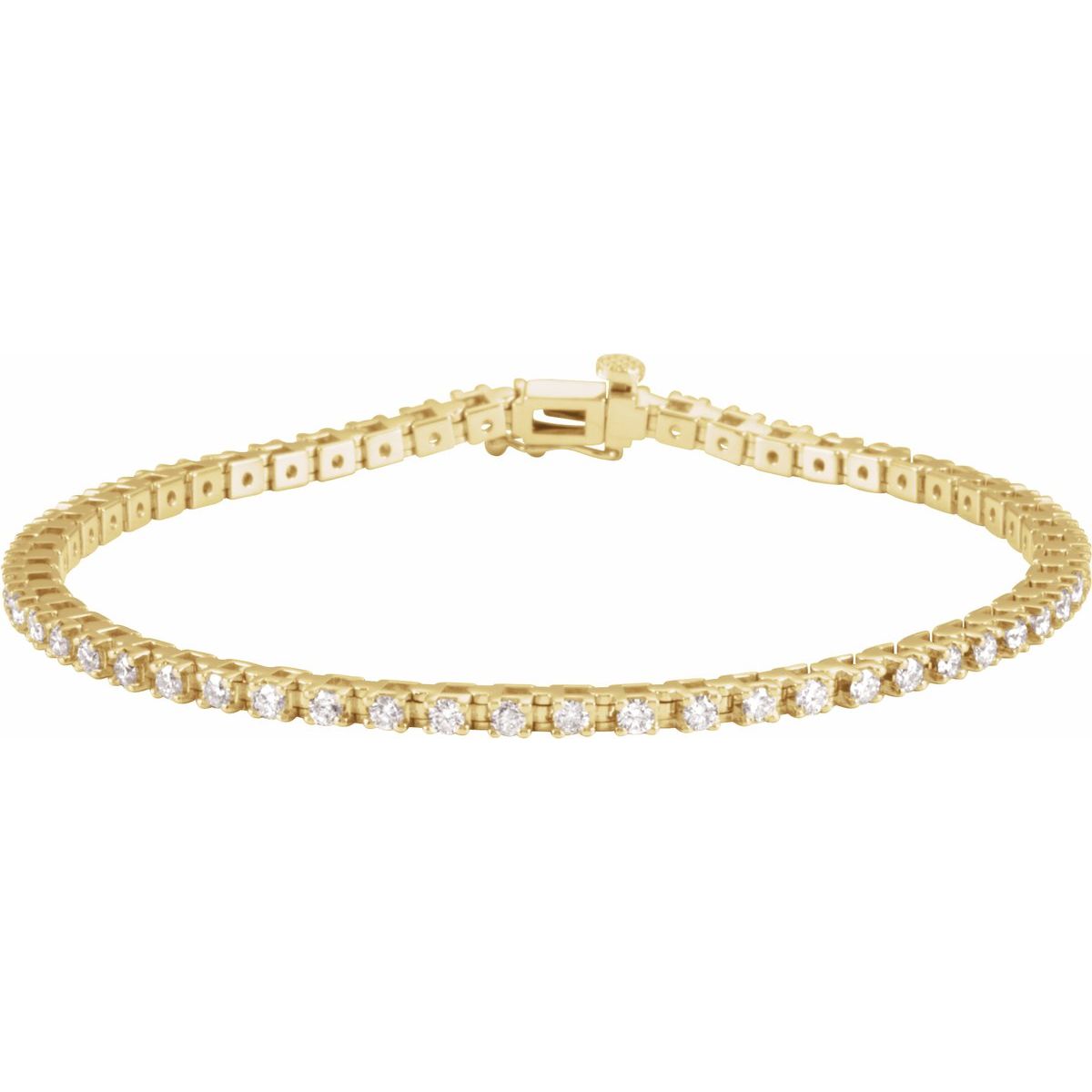
On rings with side stones or halos, the tag may quote total carat weight, the sum of every diamond on the ring. A ring described as one carat total might carry a half-carat center. Both numbers are legitimate; just be sure you know which one you are comparing.
Common questions
How much bigger does each step up actually look?
Diameter grows slowly with weight. Moving from 1.0 to 1.5 carats adds about 0.8 mm of diameter on a round. Visible, but subtler than the 50 percent weight increase suggests. Seeing sizes on your own hand is the only reliable guide.
Do halos really make a stone look bigger?
Yes. A halo of small diamonds around the center reads as part of the stone from conversational distance, adding roughly a size class to the look for far less than a bigger center would cost.