
Diamond Shapes: Finding the Right Outline
Shape is the first decision most people make about a diamond, and the most personal. It sets the whole character of the ring before any grade enters the conversation.
Shapes also differ in practical ways: how much they sparkle, how big they look for their weight, how much they cost, and how well they hide flaws. Here is the tour.
The brilliant cuts
Round is the standard-bearer, engineered over a century for maximum light return. It is the sparkliest shape, the safest choice, and the most expensive per carat because demand is high and cutting one wastes the most rough.
Oval gives round-style sparkle in an elongated outline that faces up larger and flatters the finger. It is the round's closest rival and usually costs less. Watch the bow tie, the dark band across the middle; a good oval keeps it subtle.
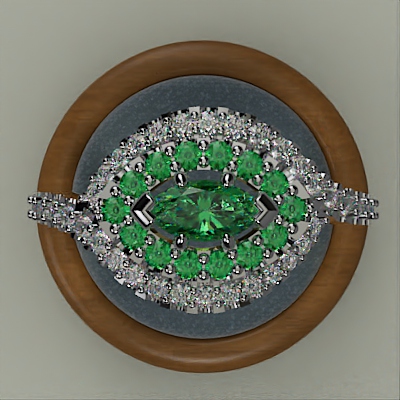
Pear and marquise stretch things further. Both look dramatic and large for their weight. Points are the vulnerable spots, so they belong under protective prongs.
Cushion and radiant are squarish brilliants with softened or clipped corners, warm and lively, often well priced.
Princess is the sharp-cornered square brilliant, modern and geometric, historically the best-value brilliant shape. Its corners need protecting.
The step cuts
Emerald and Asscher cuts trade sparkle for glassy, architectural flashes from long parallel facets. The look is elegant and vintage. Because those open facets hide nothing, buy higher color and clarity than you would for a brilliant.
Comparing at a glance
| Shape | Character | Faces up vs round | Value note |
|---|---|---|---|
| Round | Classic, maximum sparkle | Baseline | Highest price per carat |
| Oval | Elegant, elongating | Larger | Strong value, check bow tie |
| Princess | Modern, geometric | Slightly smaller | Often the best brilliant value |
| Cushion | Soft, romantic | Slightly smaller | Good value |
| Emerald | Sleek, vintage | Larger | Needs higher color and clarity |
| Pear | Distinctive, dramatic | Larger | Protect the point |
| Marquise | Bold, maximizes spread | Largest | Protect both points |
Choosing in practice
- Pick with the wearer's taste first; shape is the most visible choice you will make.
- Elongated shapes flatter shorter fingers; squares and rounds suit longer ones. Guidelines, not rules.
- If the shape has points or corners, plan the setting around protecting them.
- Always view the exact stone. Two ovals of identical grade can look entirely different.
Common questions
Which shape is cheapest per carat?
Usually the non-round brilliants: princess, cushion, radiant, and often oval and pear. You can save 20 to 40 percent versus a round of similar grade, or spend the same and go bigger.
Are any shapes going out of style?
Shapes cycle in popularity but none disappear. Rounds never date. Ovals have had a long run. Buying the shape the wearer loves beats forecasting fashion.