
Choosing a Center Stone: Diamond and Beyond
The center stone is the ring's heart and most of its cost, and the choice is wider than jewelry marketing suggests. Diamond earned its place with unmatched hardness and fire, but sapphire crowned royalty long before diamonds were common, and modern options change the math further.
The one non-negotiable for an everyday ring is durability. This is a stone that will hit door frames for fifty years.
The durability bar
Everyday center stones should sit at Mohs 8.5 or higher with good toughness: diamond at 10, moissanite at 9.25, sapphire and ruby at 9. These take decades of wear without going cloudy from accumulated scratches.
Softer beauties like emerald, aquamarine, morganite, and opal can serve in engagement rings, with protective settings, realistic expectations, and eventual repolishing treated as normal upkeep. We set them happily for people who understand the deal.
The main contenders
| Stone | The appeal | The honest notes |
|---|---|---|
| Natural diamond | Tradition, scarcity, resale market | Highest cost per look |
| Lab-grown diamond | Identical stone, fraction of the price | Resale value low and falling; buy to keep |
| Moissanite | Near-diamond hardness, more fire, lowest cost | Rainbow sparkle reads different from diamond; some love it, some do not |
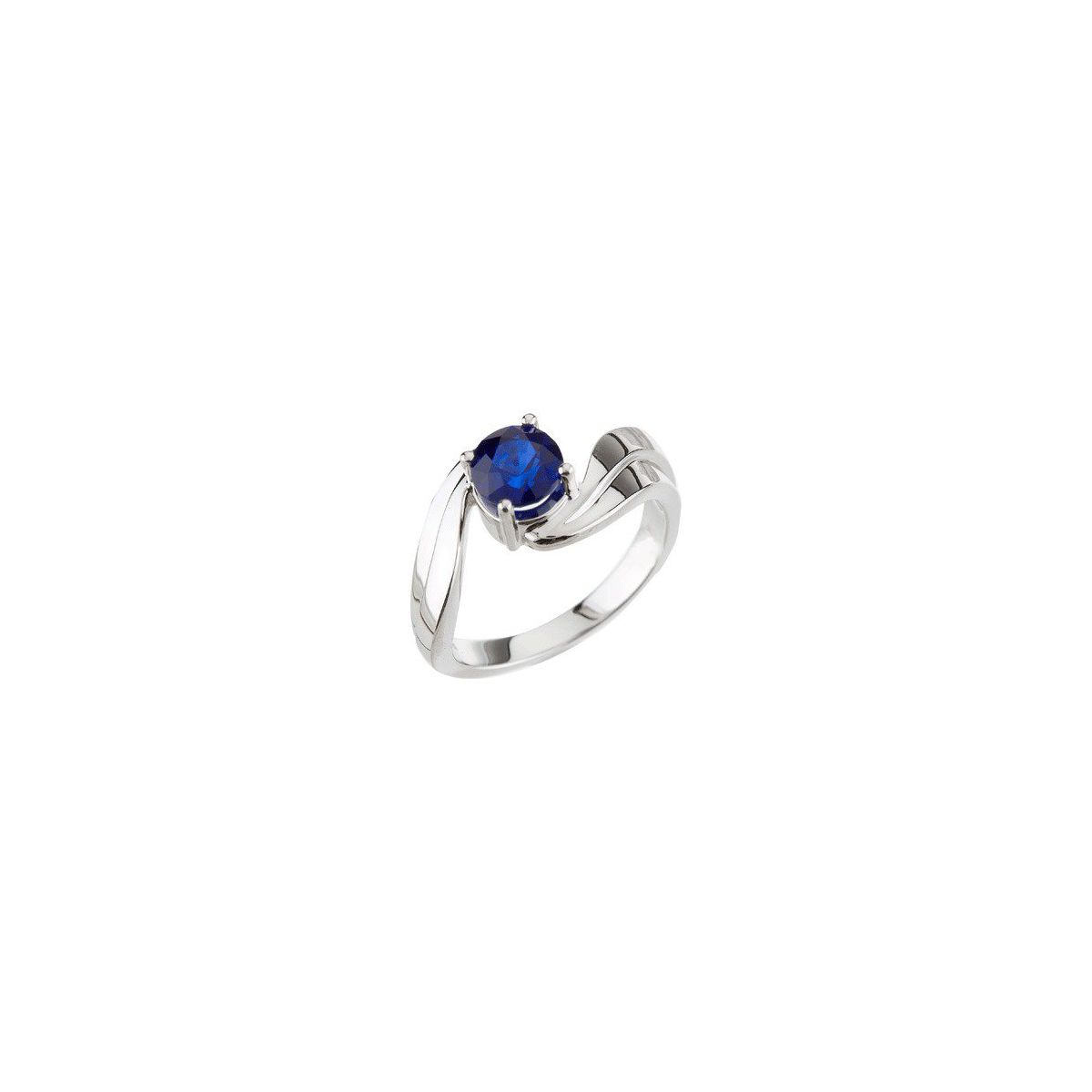
| Sapphire | Color, hardness 9, royal pedigree | Slightly less brilliance than diamond; embrace the color instead |
| Ruby | The rarest classic look | Fine natural stones are expensive; lab ruby solves it |
Deciding between them
- Want the diamond look, budget flexible: natural diamond.
- Want the diamond look, budget firm: lab-grown diamond first, moissanite if maximum savings matter and the extra fire appeals.
- Want color: sapphire in blue, teal, pink, or beyond; nothing else combines color and durability so well.
- Want heritage on a budget: a modest natural diamond beats a large anything for some traditionalists; size is not the only axis.
Whatever you choose
Insist on seeing the actual stone or a video of it, get independent paperwork for anything significant, and choose the setting for the stone's needs: pointed shapes protected, softer stones bezeled, tall stones seated low if hands are busy.
And choose together if there is any doubt. The wearer's daily joy outweighs the surprise by a wide margin.
Common questions
Is moissanite tacky?
No, it is a legitimate gem with its own optics: more rainbow fire than diamond and nearly as hard. What it is not is a diamond, and it should be chosen, priced, and celebrated as itself.
Can we upgrade the center stone later?
Usually, yes; most settings accept a larger stone or a different one, and anniversary upgrades are a lovely tradition. Buying from a jeweler with a bench, like us, makes that future swap easy.