
Diamond Color Grades: What You Can Actually See
Diamond color grading measures the absence of color. A D grade means essentially colorless; as you move down the alphabet, a faint warmth creeps in.
Here is what the grading scale does not tell you: the steps are tiny. Graders compare stones upside down against master sets in controlled light. On a hand, in a ring, in daylight, most of those steps disappear.
The scale in plain terms
| Grades | Called | What you see in a set ring |
|---|---|---|
| D to F | Colorless | Icy white. The premium tier. |
| G to J | Near colorless | White to nearly everyone. The value tier. |
| K to M | Faint | A warmth you can notice, flattering in yellow gold. |
| N to Z | Very light to light | Distinctly tinted. Priced accordingly. |
Match the color to the metal
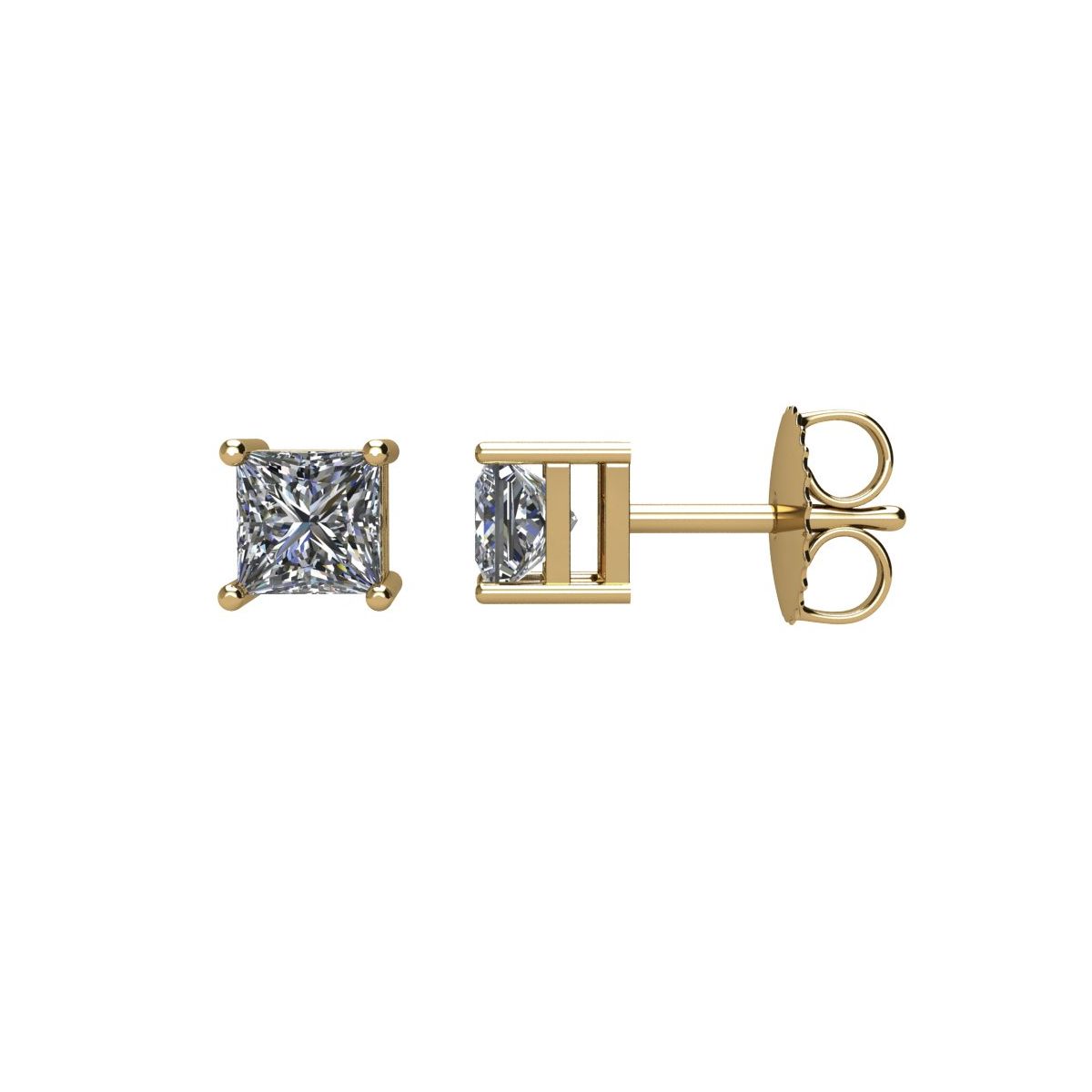
The metal around a diamond changes how its color reads. A platinum or white gold setting reflects white light into the stone, so warmth shows more. Yellow and rose gold reflect their own color into the stone, so even a colorless diamond takes on warmth, which means paying for D color in a yellow gold ring buys you nothing you can see.
Practical rules: for white metals, G to H hits the sweet spot. For yellow or rose gold, I to K looks lovely and costs far less.
Shape changes what shows
Brilliant-cut shapes like rounds and ovals scatter light so thoroughly that they hide color well. Step cuts like emerald and Asscher have long open facets that act like windows, so color (and clarity) show more. If you love a step cut, budget one or two color grades higher than you would for a round.
Bigger stones also show more color than smaller ones, simply because there is more material for light to travel through.
Fluorescence, briefly
Some diamonds glow faintly blue under ultraviolet light. Strong fluorescence in a very high color stone can make it look slightly hazy, and the market discounts it. In the near-colorless range, faint to medium blue fluorescence is harmless and can even make a warmer stone face up whiter. It is a legitimate way to save.
Common questions
Can anyone really tell G from D?
Side by side, loose, upside down, under grading light, a trained eye can. Set in a ring on a moving hand, almost no one can. That gap between lab conditions and real life is where your savings live.
What about colored diamonds?
Once color passes Z, a diamond enters the fancy color scale, where more color means more value, not less. Yellows, pinks, and blues are graded on an entirely different system. Ask us if that direction interests you.