
Gold Karats Explained: 10K, 14K, 18K, and 24K
Pure gold is beautiful and impractical: soft enough to scratch with a fingernail's determination, and quick to bend and wear. So jewelry gold is an alloy, gold blended with harder metals, and karat is the label that says how much of the mix is actually gold.
The karat scale runs to 24, so the math is out of 24 parts: 24K is pure gold, 18K is 18 parts in 24 (75 percent), 14K is just over 58 percent, and 10K is just under 42 percent, the legal minimum to be called gold in the United States.
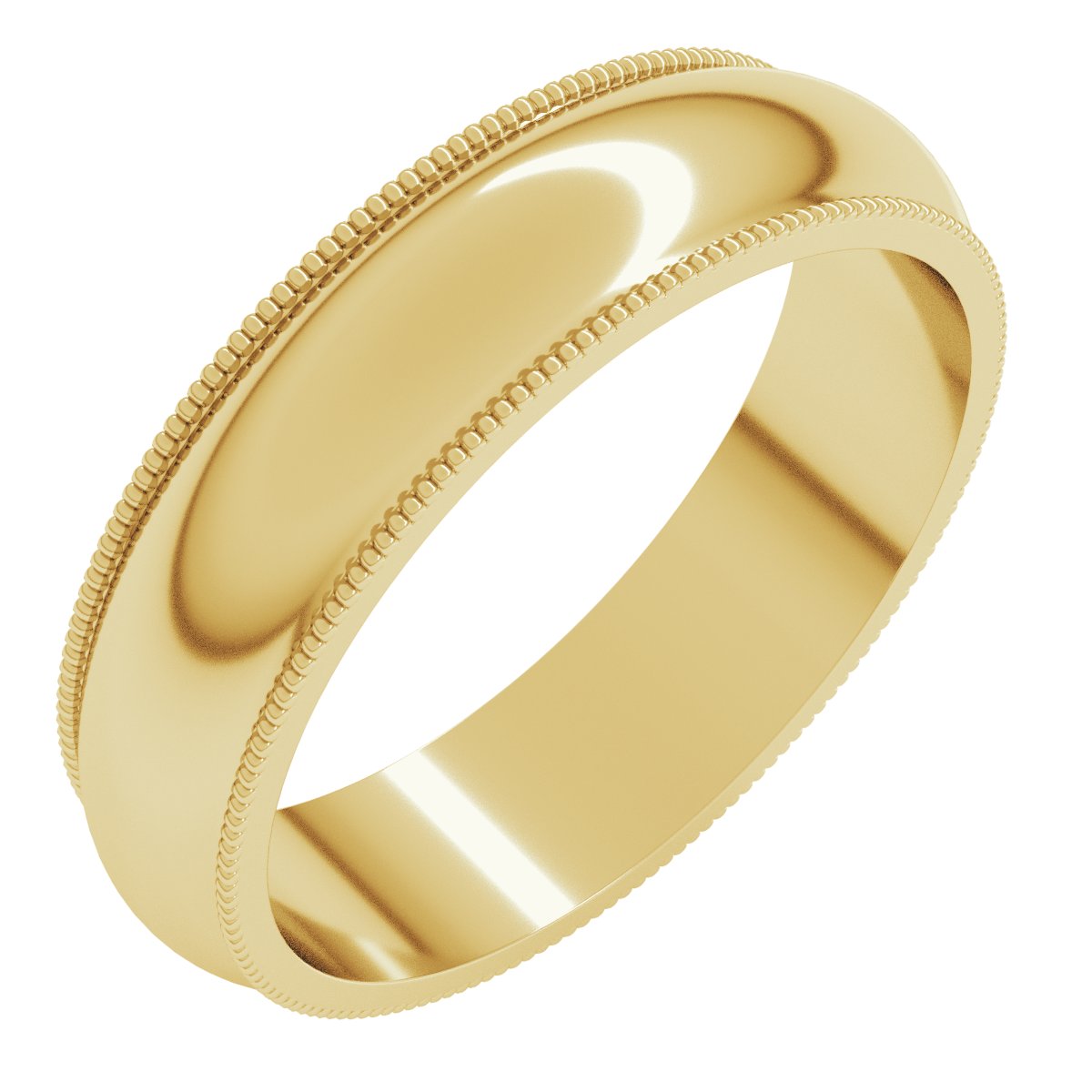
The practical differences
| Karat | Gold content | Color depth | Durability | The honest take |
|---|---|---|---|---|
| 24K | 99.9 percent | Deep orange-yellow | Too soft for most jewelry | Bullion and certain cultural traditions |
| 18K | 75 percent | Rich, warm | Softer, scratches sooner | The luxury standard, gorgeous color |
| 14K | 58.3 percent | Classic gold | Tough, everyday proof | The American default, and for good reason |
| 10K | 41.7 percent | Paler, slightly brassy | Hardest of all | Budget champion, honest workhorse |
Why 14K is the default
14K hits the balance point: enough gold for real color and value, enough alloy to shrug off daily wear. Engagement rings, wedding bands, and everyday pieces in America are overwhelmingly 14K, and when customers ask us what to pick without strong feelings either way, 14K is usually the answer.
18K earns its premium when color depth matters, on dress pieces, on designs where the metal is the show, and for buyers who love that richer glow and accept a few more fine scratches as the cost.
Reading the stamps
Look inside a band or on a clasp for the hallmark: 10K, 14K, 18K in the American convention, or the European three-digit style, 417, 585, and 750, which state gold parts per thousand. A 585 stamp is 14K by another name.
GP, GF, or vermeil stamps mean gold plated, gold filled, or gold over silver: real gold on the surface, base metal or silver underneath. Fine for fashion pieces at fashion prices; not the same thing as solid karat gold.
Karat and skin
Higher karat means less alloy, which means fewer of the metals that irritate sensitive skin. If 10K or 14K jewelry has bothered you, an 18K piece or a nickel-free alloy usually solves it. Greenish skin marks are not an allergy but a reaction between alloy metals and skin chemistry, more common with lower karats and certain body chemistry, and switching karat or alloy fixes that too.
Common questions
Is 10K gold worth buying?
For durability on a budget, absolutely. It is the toughest gold and it is honest solid gold. The tradeoffs are a paler color and less metal value. For a piece that will be worn hard and loved, 10K serves proudly.
Does higher karat tarnish less?
Pure gold never tarnishes; the alloy metals are what react. So yes, 18K stays brighter than 10K in theory, though ordinary cleaning keeps any karat looking right. Discoloration usually washes off with a proper clean, which we do free in the store.