
Platinum vs White Gold: The Real Differences
Side by side and brand new, a platinum ring and a rhodium-plated white gold ring look nearly identical. Five years of daily wear later, they are visibly different objects, and which one aged better depends entirely on what you value.
This is the most common metal decision in engagement shopping, so here it is without the mystique.
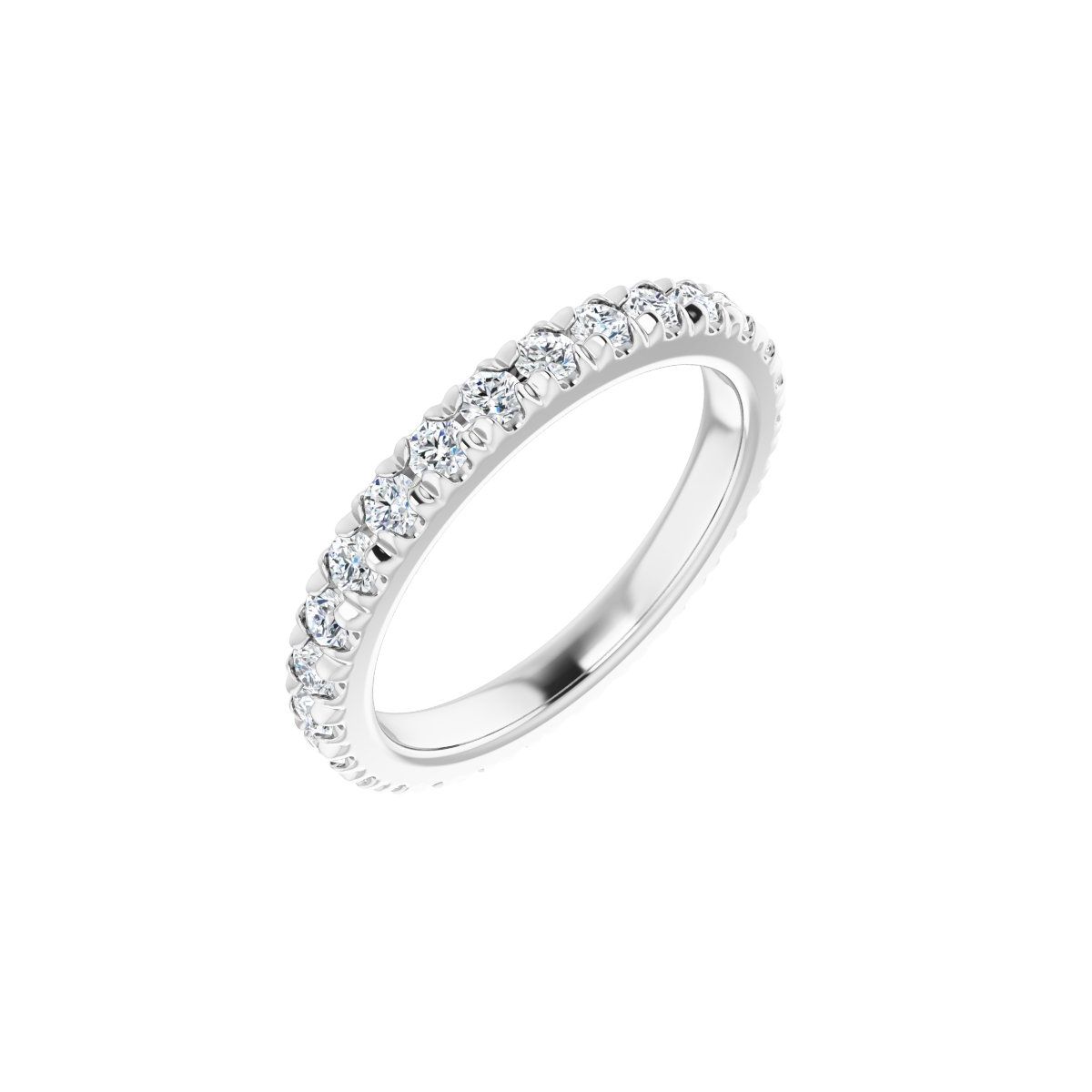
What platinum actually is
Jewelry platinum is 90 to 95 percent pure, dense, and naturally white; no plating involved, so its color is permanent. It is hypoallergenic for essentially everyone.
Its famous property is how it wears: when platinum is scratched, the metal displaces, plowing tiny furrows rather than flaking away. Over years it develops a soft satin patina and loses almost no material, which is why hundred-year-old platinum settings still hold their stones securely. A polish restores full gloss any time you want it back.
What white gold actually is
White gold is yellow gold alloyed toward white and finished with rhodium plating for the bright icy surface. It is a little harder than platinum, so it resists fine scratching slightly better day to day, but scratches remove metal rather than displacing it, and prongs thin faster over decades.
The rhodium wears through gradually, needing a replate every one to three years on a daily ring to stay bright white. Skipping it just means a faintly warm tint, which some people never notice or mind.
The comparison, honestly
| Factor | Platinum | White gold |
|---|---|---|
| Color | White forever, no plating | Bright white while plated, warm tint as rhodium wears |
| Feel | Notably heavy, substantial | Lighter on the hand |
| Daily scratches | Shows them sooner, loses no metal | Resists a bit longer, loses metal when cut |
| Long-term prongs | The gold standard for security | Excellent, retip a decade or two sooner |
| Upkeep | Optional repolish | Rhodium replate every 1 to 3 years |
| Sensitive skin | Safe for nearly everyone | Depends on alloy; nickel-free versions available |
| Price | Higher, mostly from density | Lower for the same design |
How we advise it
Choose platinum for an heirloom-horizon ring, for sensitive skin, for the weight in the hand, and for never thinking about plating again. Choose white gold to put the difference into the diamond, to keep the ring lighter, or simply because the budget lands there; it is a thoroughly good metal whose one chore is a quick, inexpensive replate we do routinely.
A worthy middle path: platinum for the head that holds the stone, white gold for the band. Security where it counts, savings where it does not show.
Common questions
Why is platinum more expensive if gold costs more per ounce?
Density and purity. A platinum ring uses more grams of metal at higher purity, and the metal is harder to work at the bench. The finished piece simply contains and demands more.
Does platinum scratch more easily than white gold?
It shows fine scratches a little sooner, yes, and then stabilizes into a satin patina many owners prefer. The difference is cosmetic and reversible; the structural story favors platinum over every long horizon.