
July Birthstone: Ruby
Ruby is corundum, the same mineral as sapphire, colored red by chromium. That chromium does two things: it creates the color, and it makes the stone fluoresce, which is why fine ruby seems to glow from inside.
Ruby has been the most valued colored stone for most of recorded history. Ancient Sanskrit called it ratnaraj, king of gems, and per carat, fine natural ruby still outprices comparable diamond.
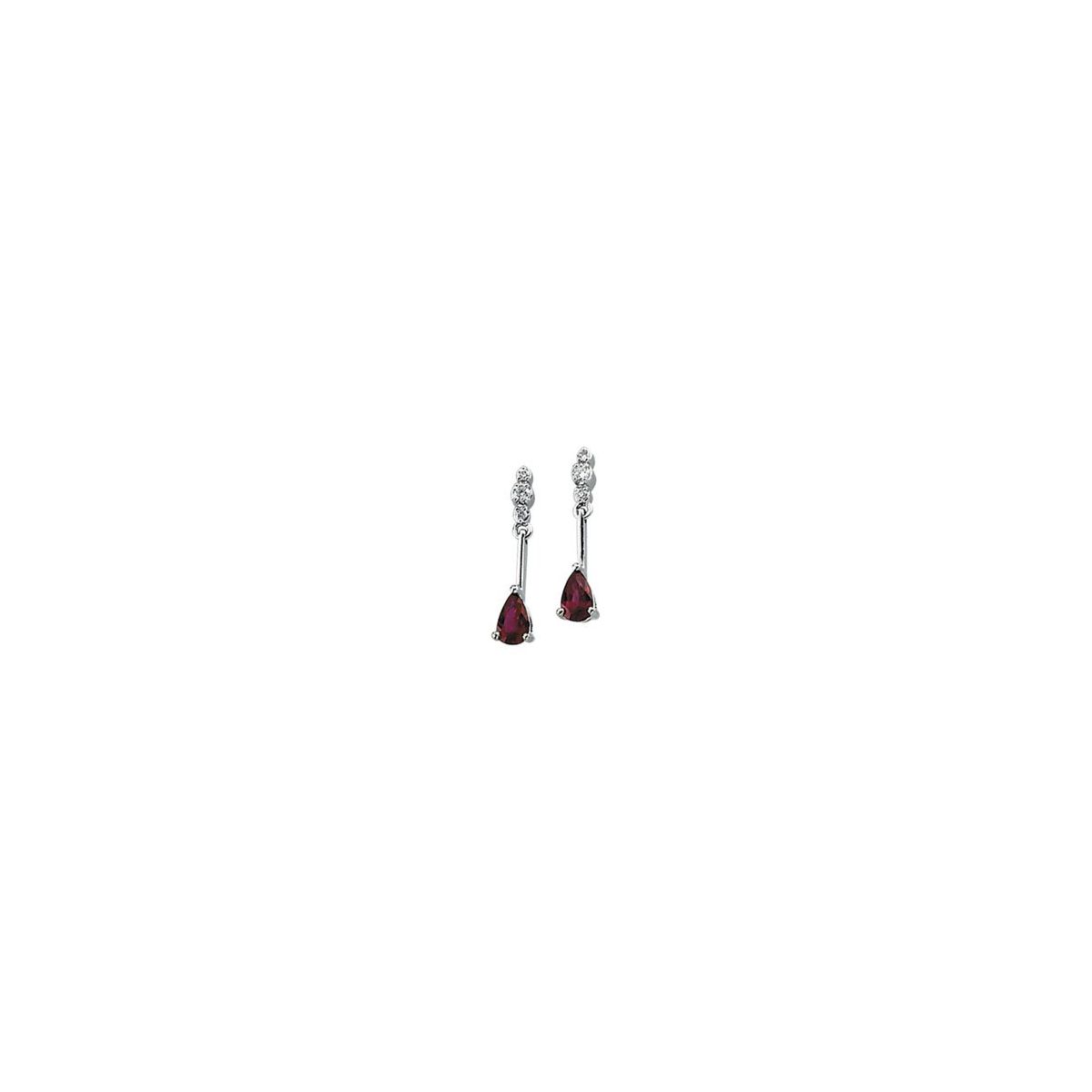
What makes a ruby fine
Color rules everything: a pure, vivid red, sometimes described as pigeon blood in top Burmese stones, with strong saturation and medium tone. Stones that lean too far orange or purple, or that go dark and garnet-like, fall quickly in price.
Clarity expectations sit between diamond and emerald. Some silk, fine needle inclusions, is normal and can even soften the color attractively. Eye-visible cracks and cavities are another matter.
Heat treatment is the norm
The large majority of rubies on the market are heated to improve color and clarity. This is a stable, permanent, centuries-old practice and fully accepted, but it must be disclosed, because an unheated stone of equal beauty is worth several times more.
Watch for glass-filled or composite rubies: heavily fractured material filled with lead glass. These are inexpensive, fragile, and damaged by ordinary jewelry repair heat. They have a place at honest prices with honest labels, and no place being sold as ordinary ruby.
Durability: nearly perfect
At 9 on the Mohs scale, corundum is second only to diamond among common gems. An untreated or simply heated ruby handles daily ring wear, ultrasonic cleaning, and decades of use without complaint. It is one of the few colored stones we recommend without reservation for engagement rings.
Buying notes
- Buy color first; a half-carat of vivid red beats two carats of muddy red.
- Ask directly: heated, unheated, or filled? The answer changes the price class entirely.
- Lab-created ruby is real corundum with fine color at a modest price, a strong choice for jewelry that will be worn hard.
- Significant natural rubies deserve a lab report confirming origin and treatment.
Common questions
Ruby versus red spinel?
Spinel is a distinct mineral historically mistaken for ruby; some crown jewel rubies are actually spinels. Fine red spinel is beautiful, durable, and costs far less. It is one of our favorite value recommendations for people who love red stones.
Why are small rubies so much cheaper per carat than large ones?
Fine ruby rough rarely survives large. Prices climb steeply with size in a way even diamond does not match. A one-carat fine ruby is a serious stone; a five-carat one is an event.